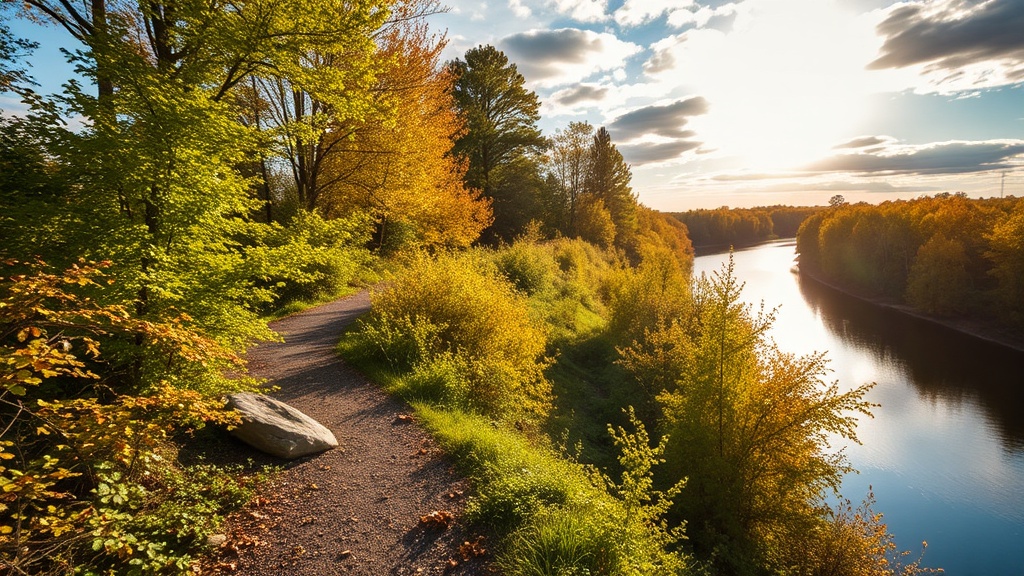
Finding Hidden Gems Along the Ottawa River Trails

The morning mist clings to the surface of the Ottawa River, thick and white, until the sun breaks through to reveal the jagged edges of the limestone rocks below. This guide explores the best hiking, cycling, and paddling spots along the Ottawa River near Clarence-Rockland, focusing on locations that offer more than just a standard paved path. You'll find specific directions to secluded lookout points, the best times for wildlife spotting, and practical tips for gear.
The river isn't just a body of water; it's a living, breathing part of our local identity here in Eastern Ontario. Most people stick to the main-street views, but the real magic happens when you head a few kilometers off the beaten path. We're talking about the quiet inlets, the rugged shorelines, and the spots where the sound of the water drowns out everything else.
Where are the best hiking trails near Clarence-Rockland?
The best hiking trails near Clarence-Rockland are found within the municipal park systems and the surrounding conservation areas that hug the riverbank. While many people gravitate toward the paved paths for a quick stroll, the real enthusiasts head toward the more rugged terrain found in the pockets of the Ontario Parks system and local conservation lands.
One of my personal favorites is the stretch near the various river access points that lead into the bush. You aren't just walking on dirt; you're walking through a changing ecosystem. Depending on the season, you might find yourself dodging low-hanging willow branches or stepping over fallen birch logs. It's not a manicured garden—it's raw nature.
If you want a challenge, look for the sections with higher elevation changes. The terrain isn't mountainous, but the rocky outcrops provide enough of a climb to get your heart rate up. It's a great way to get a view of the river's width without having to drive all the way to the Gatineau Hills.
Pro Tip: Wear boots with actual ankle support. Those loose stones near the water's edge can be slippery, especially after a heavy rain in the spring.
Recommended Hiking Terrain Types
| Terrain Type | Difficulty | Best For | Typical Gear |
|---|---|---|---|
| Paved Riverfront Paths | Easy | Families, Strollers, Casual Walks | Light sneakers |
| Wooded Forest Trails | Moderate | Birdwatching, Nature Photography | Hiking boots, trekking poles |
| Rocky River Shorelines | Hard | Adventurous Hikers, Rock Hoppers | High-traction footwear |
What is the best time of year to visit the Ottawa River trails?
The best time to visit the trails is during the late spring and early autumn when the weather is temperate and the scenery is most dramatic. Summer is great for swimming, but the humidity in Eastern Ontario can be brutal if you're out in the sun for too long. Autumn, however, turns the river valley into a corridor of red and gold—it's spectacular.
Spring is a different beast entirely. The river is high, the water is fast, and the mud is... well, it's everywhere. If you're planning to hit the trails in May, don't expect a clean walk. You'll likely end up with mud on your boots (and probably your shins). But that's part of the fun, right? It's the season of renewal, and the sound of the rushing meltwater is incredibly powerful.
For those who love the winter, the trails remain accessible, but the rules change. You'll need to swap your hiking boots for ice cleats or specialized winter gear. The views of the frozen river are breathtaking, but the wind off the water can be biting. I always recommend a heavy-duty parka—something like a Patagonia Nano Puff or a similar down layer—to keep the chill at bay.
A quick checklist for your seasonal trips:
- Spring: Waterproof boots, rain shell, bug spray (the mosquitoes are relentless).
- Summer: Sunscreen, lightweight linen clothing, plenty of water.
- Autumn: Layered clothing, a light windbreaker, and a camera.
- Winter: Thermal base layers, ice cleats, and insulated gloves.
How much does it cost to access these local spots?
Most of the trail-side access points and local parks around Clarence-Rockland are free to use, though some specific conservation areas may require a seasonal pass or a small fee for parking. For the vast majority of our local paths, you won't pay a cent to enjoy the view.
It's worth noting that while the access is free, the "cost" often comes in the form of your gear. If you're planning on doing more than just a casual walk, investing in quality equipment pays off. I've seen plenty of people try to hike the rocky sections in flip-flops, and it rarely ends well. A decent pair of hiking shoes is a worthy investment for anyone living in this area.
If you're looking for a more structured experience, some private campgrounds or specialized boat launches might charge a fee for daily use. This is common if you're bringing a large vessel down to the water. But for a simple afternoon of walking or cycling, the local budget stays intact.
If you're looking for more ways to enjoy our community, check out our guide on the 10 best things to do in Clarence-Rockland this summer. It covers a lot of the same ground regarding local-friendly activities.
The Hidden Gem: The River Lookout Points
There is a specific spot—I won't name the exact coordinates to keep it a secret—but if you follow the old access road toward the river bend, there is a natural limestone shelf. It sits about twenty feet above the water level. It's the perfect place to sit and watch the sunset. The way the light hits the water at 7:00 PM in July is something you have to see to believe.
Just be careful with the footing. The stone is often slick with algae or moss. I've seen a few people slip while trying to get the perfect photo for Instagram. It's a beautiful spot, but respect the elements. The river doesn't care about your social media feed; it's a powerful force of nature.
Whether you are a seasoned hiker or someone who just wants to clear their head after a long week of work, these trails offer a necessary escape. We are lucky to have this much natural beauty right in our backyard. Don't just drive past it—get out there and experience it.