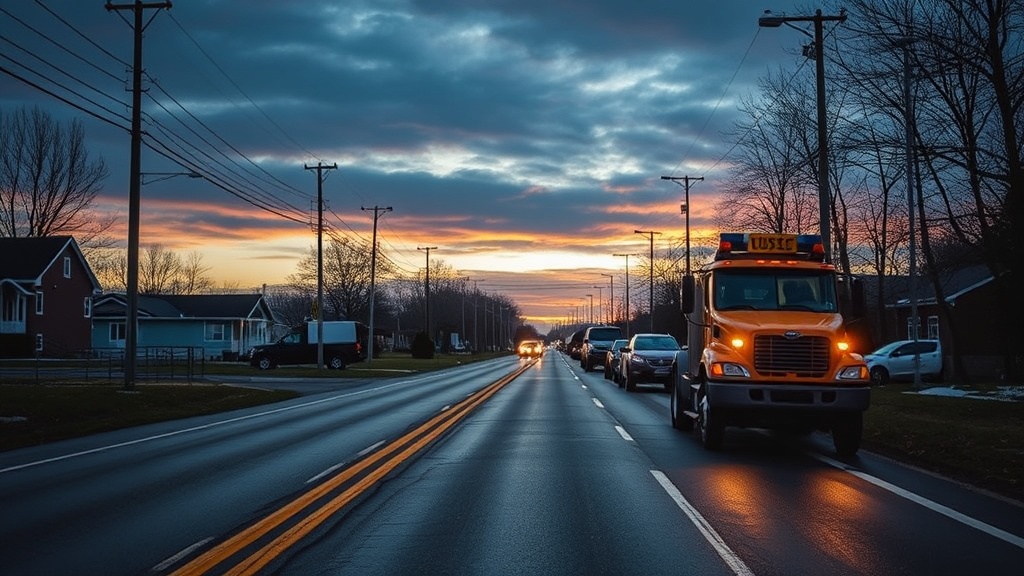
Keeping Up with Local Infrastructure and Road Maintenance in Clarence-Rockland

Many people assume that road maintenance is a simple matter of paving over cracks, but living in Clarence-Rockland means dealing with much more complex seasonal shifts. We often hear neighbors complaining about the state of our streets, yet there's a massive misunderstanding about how our municipal services actually manage the heavy machinery and snow removal schedules that keep our community moving. It isn't just about the snow; it's about the drainage, the gravel, and the constant battle against the freeze-thaw cycle that affects everything from St-Charles Street to the smaller side roads in our residential sectors.
Where can I find local road closure updates?
If you've ever been stuck behind a construction vehicle near the intersection of Boulevard Saint-Pierre, you know that timing is everything. Our community relies heavily on the predictability of our main arteries. For real-time updates on road-related issues, you shouldn't just rely on rumors at the local grocery store. The most reliable way to stay informed is to check the official Clarence-Rockland municipal website. They provide notices regarding planned maintenance, water main repairs, and seasonal weight restrictions that might affect your commute through our neighborhoods. We've noticed that many residents miss these updates because they assume the work is spontaneous, but most major projects in Clarence-Rockland are actually scheduled months in advance to minimize disruption to our local businesses and school bus routes.
When the spring thaw hits, the pressure on our local infrastructure increases significantly. We see it every year—the potholes that appear on the outskirts of town can be quite jarring. It’s not just an inconvenience; it’s a matter of safety for anyone driving through the more rural parts of our municipality. We need to understand that the grading-and-gravel roads in our outskirts require a different maintenance schedule than the paved streets in the heart of the city. This distinction is vital for anyone living in the outskirts of Clarence-Rockland who relies on a truck or a heavy vehicle for work.
How does the city handle snow removal and salt?
We often see the heavy salt trucks rolling through our streets at odd hours, and it's easy to wonder if they're actually doing anything. The reality is that the salt application and snow plowing schedule is a highly calculated process designed to keep our local roads passable during the harshest Eastern Ontario winters. The city uses specific routes to ensure that even the smallest streets in our residential areas get cleared before the morning rush. However, it's important to remember that no amount of salt can perfectly combat a sudden blizzard in Clarence-Rockland. We've all seen how a heavy snowfall can turn a simple trip to the pharmacy into a much longer ordeal.
One thing we should all be aware of is the impact of salt on our local environment and our water-softening systems. While it keeps our cars from sliding, the long-term effects on our local soil and infrastructure are something our community discusses frequently. If you're noticing more wear and tear on your vehicle's undercarriage, it might be time to check the local road conditions through the Ontario 511 service, which provides broader provincial context that often affects our local routes near the 174 or 17.
Where can I report a pothole or a broken sidewalk?
It’s easy to see a problem, feel frustrated, and then just drive past it, but the most effective way to get things fixed in Clarence-Rockland is to actually report it. Our local government relies on resident feedback to prioritize where the budget goes next. If you see a sidewalk issue near a local school or a significant pothole on a main road, don't wait for someone else to mention it. The city has specific channels for these reports, and the faster a problem is documented, the higher the chance it gets added to the next maintenance cycle.
- Check the Municipal Website: Most reports can be filed digitally through the official Clarence-Rockland portal.
- Local Community Groups: While not official, our local social media groups often discuss these issues, which can help raise awareness for certain neighborhoods.
- Direct Contact: For urgent matters involving public safety on our roads, direct contact with local services is always the fastest route.
We need to realize that our infrastructure is a shared responsibility. Whether it's the way we drive around a puddle or how we report a damaged curb, every little bit of feedback helps shape the future of Clarence-Rockland. We aren't just living in a town; we are part of a living, breathing system of roads, paths, and public spaces that require constant attention and care from all of us.
Looking ahead, the development of new residential areas in our community will undoubtedly put more strain on our existing roads. As Clarence-Rockland continues to grow, we must advocate for proactive infrastructure planning. This means pushing for better drainage systems and more durable paving materials that can withstand our unique climate. It’s about ensuring that the streets we drive on every day remain safe for our children and our elderly neighbors alike.