Where Do Locals Actually Go? Clarence-Rockland's Most-Used Community Spaces
What Community Facilities Do Clarence-Rockland Residents Use Most?
Here's something that might surprise you—Clarence-Rockland's population has nearly doubled since 2001, and we're now home to over 25,000 residents spread across Rockland, Clarence Creek, Hammond, Bourget, and Cheney. Yet many of us drive past the same community buildings every day without realizing what's actually happening inside. This isn't about tourist attractions or places you'd bring out-of-town guests. These are the spaces where our neighbours vote, where our kids learn to skate, where seniors gather for coffee, and where community associations hash out the future of our streets. If you've ever wondered where to access municipal services, find affordable recreation programs, or simply meet people who actually live here (not visitors passing through), this list is for you.
How Can I Access Municipal Services Without Driving to Ottawa?
The Clarence-Rockland Municipal Office on County Road 17 isn't just where property tax payments happen—though yes, you can drop off payments there. This building houses planning and development services, bylaw enforcement, and the clerk's office where you can pick up marriage licenses, request freedom of information documents, or register for emergency alerts. What many locals don't realize is that the municipal office also maintains satellite service points. The Hammond Community Centre and the Clarence Creek Community Centre both host regular municipal office hours where residents can handle basic transactions without making the trek to Rockland.
For building permits and zoning questions, the planning department on the second floor handles everything from deck additions to new construction. The wait times can vary—spring is predictably busy when everyone's rushing to get summer projects approved—but the staff generally knows the local bylaws inside and out. If you're renovating a heritage property in Old Town Rockland or trying to understand setback requirements in Cheney, this is where you get answers that actually apply to your specific address, not generic advice pulled from a different municipality's rulebook.
Where Do Kids and Families Actually Spend Time in Clarence-Rockland?
The Clarence-Rockland Arena on Lemay Street is arguably the beating heart of our community from October through March. With two ice surfaces—the main rink and the smaller community rink—it's where hundreds of local kids learn to skate through the Clarence-Rockland Minor Hockey Association and the Rockland Skating Club. But you don't need to be part of an organized league to use the facility. Public skating sessions run most weekends, and the prices are intentionally kept low because the municipality subsidizes access.
What parents appreciate—speaking from experience—is that the arena feels genuinely local. You'll see the same families week after week. The canteen serves actual poutine and hot chocolate that tastes like childhood, not overpriced stadium food. During the off-season, the arena transforms into a venue for community events, trade shows, and the occasional concert. It's not glamorous, but it's ours.
Just down the road, the Rockland Library (part of the Ottawa Public Library system) serves as the unofficial homework headquarters for local students. The children's programming here is particularly strong—story hours for toddlers, summer reading challenges, and homework help sessions that don't require appointments. For families in Bourget and Clarence Creek, the library operates a mobile service that stops at schools and community hubs, though the schedule changes seasonally so it's worth checking the OPL website for current stops.
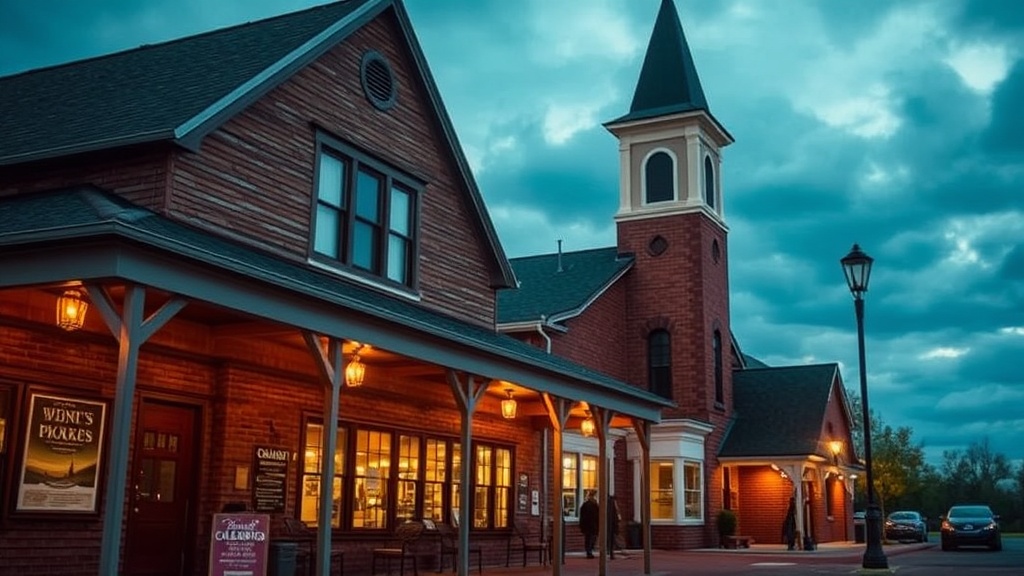
The Optimist Hall: A Community Hub Older Than Most of Our Houses
The Optimist Hall on Du Parc Avenue has been hosting community gatherings since 1949. Originally built by the local Optimist Club, this facility now serves as the primary meeting space for community associations, non-profit organizations, and private events at rates that are actually affordable for local groups. The Champlain Township Horticultural Society meets here. The local quilting guild gathers here monthly. When the Clarence-Rockland Food Bank needs overflow space for holiday food drives, this is where they set up.
The hall isn't fancy—wooden floors, folding chairs, a kitchen that looks like it hasn't been updated since the 1980s—but it's accessible, centrally located in Rockland, and managed by people who live here. For residents looking to start a community group, host a neighbourhood meeting, or organize a fundraiser that doesn't cost thousands in venue fees, the Optimist Hall represents something increasingly rare: genuinely accessible community space.
Where Can I Find Recreation Programs That Won't Break the Bank?
The Clarence-Rockland Recreation Department operates out of the municipal office but runs programs across multiple facilities. Their seasonal activity guide—distributed to households and available online—covers everything from fitness classes at the arena's community room to summer day camps held at local parks. What distinguishes these programs from private alternatives is the pricing structure. Because they're subsidized by municipal taxes, a ten-week fitness class might cost half what you'd pay at a commercial gym in Ottawa.
The summer day camps are particularly popular with working parents in Hammond and Bourget who can't easily drive children into Ottawa for activities. These camps use local parks, the arena, and school facilities, meaning kids spend time outdoors in spaces they'll recognize year-round. Registration opens months in advance and popular programs fill quickly—there's always a waitlist for swimming lessons at the pool—but the system rewards locals who plan ahead.
For adult recreation, the municipality maintains partnerships with the United Counties of Prescott and Russell to offer programming in both official languages. French-language fitness classes, English conversation circles for newcomers, and senior social programs rotate through community centres across the municipality. The schedule acknowledges that not everyone in Clarence-Rockland speaks the same language at home—and that's reflected in how services are delivered.
What About Services for Seniors and Vulnerable Residents?
The Centre de jour L'Escapade on Laurier Street provides daytime programming for francophone seniors, including meals, social activities, and transportation assistance. For anglophone seniors, the Rockland District Secondary School occasionally hosts intergenerational programs that pair students with older residents for technology training and oral history projects. The municipality's handibus service offers door-to-door transportation for seniors and residents with mobility challenges, though routes require booking in advance and priority goes to medical appointments.
The Clarence-Rockland Food Bank, located on Industrial Street, serves residents across the entire municipality. Unlike food banks in larger cities that require extensive documentation, this operation understands that people in smaller communities sometimes know each other—and they've built intake processes that preserve dignity while ensuring help reaches those who need it. During growing season, they often receive donations from local farms in Sarsfield and Carlsbad Springs, meaning the produce distributed actually comes from nearby soil.
Community Associations: The Real Decision-Makers
Every neighbourhood in Clarence-Rockland has a community association—Rockland Community Association, Clarence Creek Community Association, Hammond Community Association, and so on. These aren't social clubs. They're the organizations that meet with municipal councillors to advocate for road repairs, organize Canada Day celebrations, and submit feedback on development proposals that affect their specific areas. The City of Clarence-Rockland website maintains contact information for each association, and their meetings are open to residents.
If you've ever wondered who decides which parks get playground upgrades or why certain streets get priority for sidewalk repairs, the answer usually involves these associations. They meet in the Optimist Hall, in church basements, in school libraries—wherever space is available. Attendance is typically low except when controversial issues arise, but the people who do show up consistently shape the decisions that affect our daily lives more directly than most provincial or federal policies ever will.
Where Do Locals Actually Go? The Unofficial List
Beyond municipal facilities, Clarence-Rockland residents have created their own community spaces through sheer repetition. The Tim Hortons on County Road 17 functions as an informal town hall where retirees discuss municipal politics and contractors grab breakfast before heading to job sites. The Rockland Shopping Centre parking lot becomes a meeting point for parents during school pickup. The trails behind the arena—unofficial but well-trodden—serve as dog walking routes and shortcuts for teenagers.
These patterns matter because they reveal where community actually happens. It's not always in designated community centres with official signage. Sometimes it's in the coffee shop where the same group has met every Thursday for fifteen years, or the parking lot where neighbours linger after dropping off recycling at the municipal depot. Understanding both—the official facilities and the unofficial gathering spots—gives you the complete picture of community life here.